Smart agriculture monitoring

With the characteristics of cleanliness, renewability and flexible deployment, the solar power supply system is becoming a key infrastructure for the development of smart agriculture, injecting green impetus into agricultural modernization.

Application background

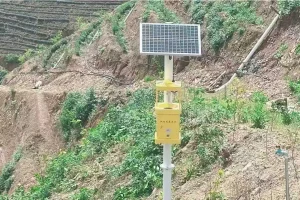
With the development of smart agriculture, agricultural planting, breeding, irrigation, pest control, and agricultural machinery automation rely more and more on data collection and real - time monitoring. A large number of sensors, intelligent cameras, and automated equipment are widely deployed in the fields. However, the traditional way of power supply wiring has problems such as difficult construction, high cost, and inconvenient maintenance. Especially in remote farmlands, greenhouse sheds, or aquaculture areas, power supply has become the biggest bottleneck in the construction of smart agriculture.

From precision irrigation to intelligent environmental control, modern agriculture has put forward unprecedented high requirements for stable, continuous and reliable power supply. The main application scenarios are as follows:

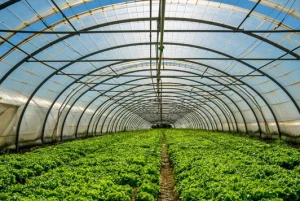
  • Smart planting:Environmental monitoring and automated irrigation for field planting and greenhouse cultivation.

  • Smart farming:Water quality monitoring for aquaculture and environmental regulation for livestock and poultry breeding.

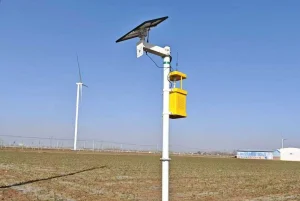
  • Agricultural disaster prevention:Real - time monitoring of pests and diseases and remote prevention and early warning.

  • Agricultural mechanization:Power supply for automated irrigation pumping stations and intelligent spraying equipment.

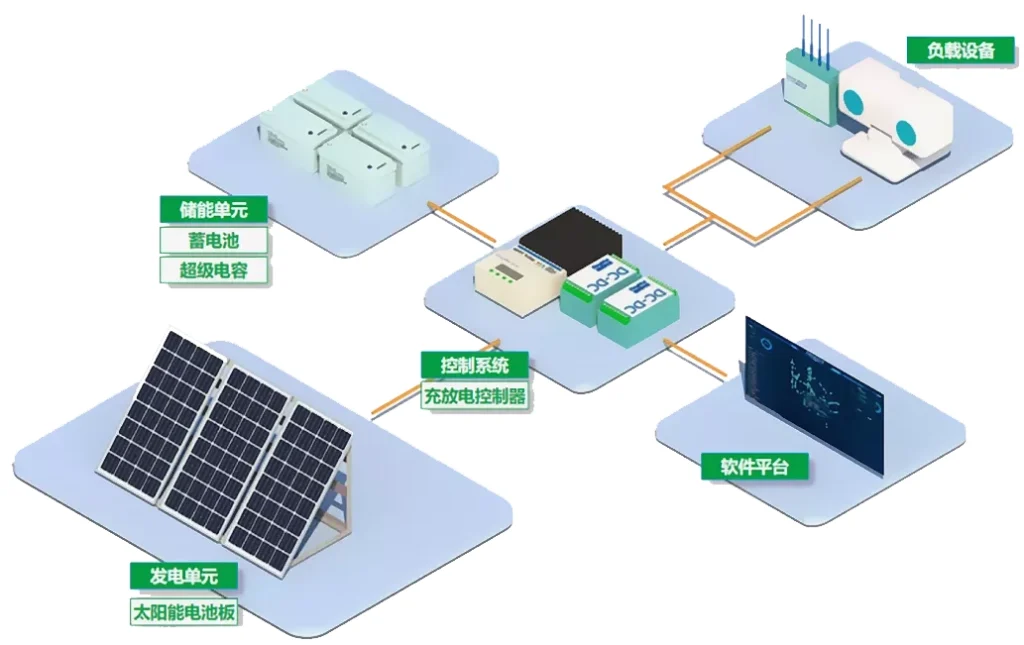
system architecture

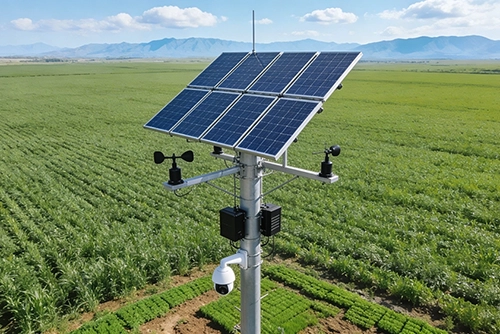
This solar - powered monitoring system adopts an integrated intelligent architecture, using solar energy as the sole energy source. Through the collaborative work of four core modules, it ensures that the monitoring equipment can operate continuously all year round in an environment without mains power.

Advantages of solar power supply solutions

This article deeply analyzes the core pain points of the traditional hydrological monitoring mode in terms of human reliance, data blind spots, and response delays. It systematically expounds on how the solar-powered IoT monitoring system achieves unmanned intelligent monitoring of the entire basin, all elements, and around the clock

Application cases

Scroll to Top