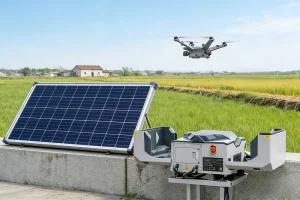
Solar-powered drone nest

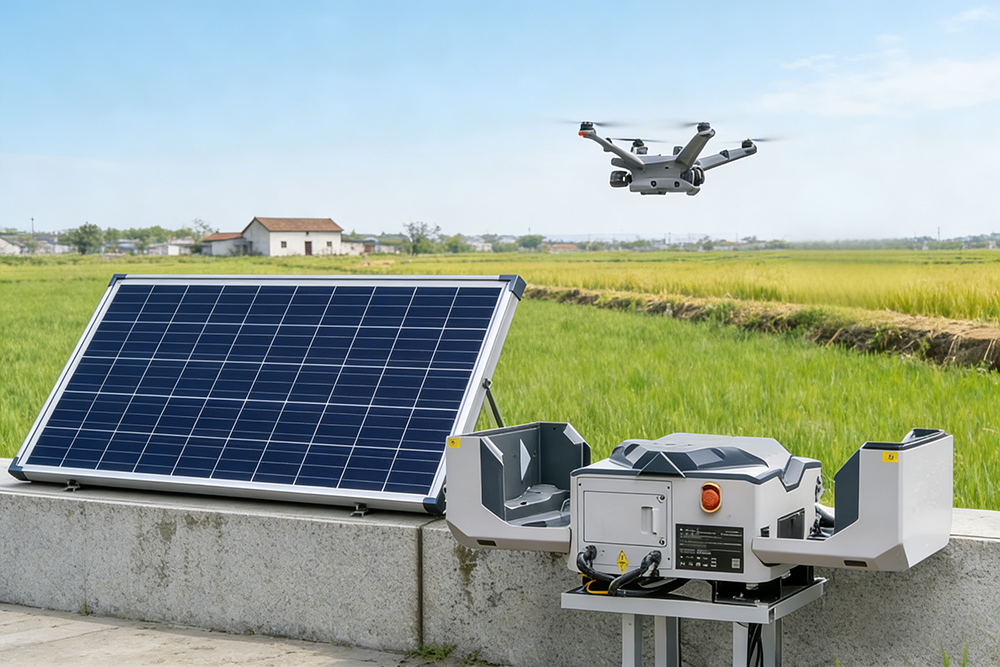
Adopt an independent photovoltaic micro - grid system to power the unmanned aerial vehicle (UAV) nest, solving the problem of inconvenient power supply for outdoor UAV nests.

Application background

In fields such as power grid inspection, security patrol, agricultural and forestry plant protection, emergency communication, and logistics distribution, there may be inconvenient power supply situations for drone nests. Therefore, we have developed a solar power supply system for drone nests, enabling drone nests to truly achieve full automation, grid - based operation, and 24/7Be on duty.

The deployment of drone nests faces a problem: ideal drone nests need to be deployed at the optimal locations in the mission area, which are often mountains, wilderness areas, offshore platforms, borderlines, and remote farmlands where the power grid is difficult to cover. Traditional solutions such as diesel generators have issues like high noise, the need for frequent manual refueling, and high maintenance costs, which restricts the automated operation of drones.

  • The site selection is extremely restricted:The location selection of the drone nest primarily considers the power grid access point rather than the optimal position for the mission, resulting in a large number of voids in the coverage network.

  • Cost control:The cost of extending the power grid to remote areas is high.

  • Emergency monitoring requirements:Temporary monitoring equipment at the disaster site needs to be deployed quickly and autonomously.

The solar power supply system, with its characteristics of cleanliness, autonomy, easy deployment, and low maintenance, enables the drone nest to truly take root in any place that needs it.

system architecture

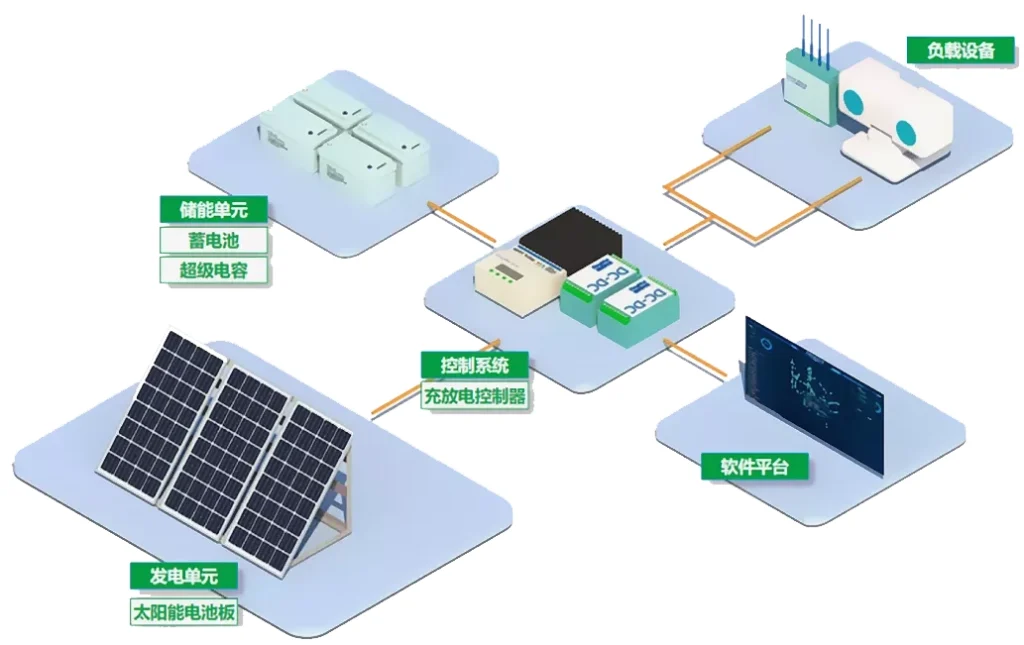
This solar - powered monitoring system adopts an integrated intelligent architecture, using solar energy as the sole energy source. Through the collaborative work of four core modules, it ensures that the monitoring equipment can operate continuously all year round in an environment without mains power.

Advantages of solar power supply solutions

This article deeply analyzes the core pain points of the traditional hydrological monitoring mode in terms of human reliance, data blind spots, and response delays. It systematically expounds on how the solar-powered IoT monitoring system achieves unmanned intelligent monitoring of the entire basin, all elements, and around the clock

Application cases

Scroll to Top